
STARS
Strength, Trauma, and Resilience Studies
Advanced Certification
STARS will provide concrete tools for growing child, parental, and family resilience.
This advanced certification includes 12-18 hours of self-paced, online course content with two virtual, synchronous sessions with a university faculty member to practice and reinforced learned skills. Participants will have additional opportunities to connect with peers and a coach.
Developed with input from DCF leadership, lead agency representatives, case management service representatives, and other stakeholders for child welfare professionals, STARS is a university-led, evidence-based, trauma-informed, engaging workforce resilience training that will motivate, educate, and improve the skills of the child welfare workforce to improve child safety.
The course material will address coping, stress management, secondary trauma, and primary trauma, as well as explore how trauma history interferes with learning. Participants will build better resilience skills for families.
Join the First Cohort!
STARS is expected to launch in October 2022.
Registration will open in September 2022.
STARS is eligible for CEUs by the Florida Certification Board
STARS is connected to Advancement Criteria on the DCF Career Ladder

A Certificate of Completion will be issued for STARS from Florida State University
ELIGIBILITY
Eligible participants include Child Welfare Case Managers and Child Welfare Protective Investigators who have finished pre-service training.
APPLICATION PROCESS
The application process will include a required letter of support from the participants’ supervisors and a required statement of intent from the potential participant.
MEET OUR FACILITATOR & COACH
Carol Campbell Edwards
COURSE FACILITATOR
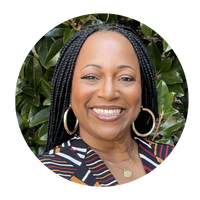
Carol Campbell Edwards, LCSW, (she/her), is the BSW Program and Professional Development Program Director at the Florida State University College of Social Work. In addition to leadership and teaching responsibilities, Carol chairs the College’s Student Affairs Committee and serves on the Faculty Affairs Committee and the Student Advisory Committee.
Read More about Carol
Carol is also a member of the University Foundation Board DEI Task Force, the University Exchange Oversight Committee, and the Undergraduate Policy Committee. Carol pursues her passion for child welfare systems change as a member of The Youth Law Center, Quality Parenting Initiative team. Carol’s professional endeavors include the development of curriculum and learning programs utilizing instructional systems design, to transform child welfare systems by facilitating learning in relationship-based approaches to foster care, attachment theory, planful transitions, comfort calls, and multiculturalism in parenting. Carol’s unique approach to training cultivates a learning environment where each person has an opportunity to engage in critical thinking, dialogue, and dynamic learning experiences that affirm core values of respect, justice, and inclusion. Carol served for 27 years in the Florida child welfare system, working with the Florida Department of Children and Families, the Professional Development Centers, and Big Bend Community Based Care (NWF Health Network). Carol’s certifications include FORECAST facilitator, True Colors International, Langevin Learning Systems, and Florida’s Adoptions Competent Therapist program. Carol is a member of Leadership Tallahassee Class 39 and Alpha Kappa Alpha Sorority, Incorporated.
John Sheetz
COACH
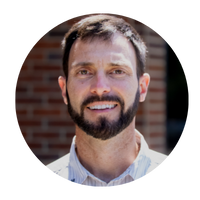
John Sheetz, Florida Child Welfare Certification, MSW, served as a Peace Corps Volunteer on Youth Development in Ukraine shortly after the Orange Revolution. To gain clinical skills and a perspective on American policy, John returned to Florida State University to pursue a Master of Social Work degree. He studied child welfare, emergency preparedness, and refugee services. He conducted research on pain, opioids, and mindfulness.
Read More about John
After graduation, John became a therapeutic foster care trainer, before pursuing consulting on child welfare services. This work has involved training new case managers across the panhandle, teaching child protective investigators about mental health, and developing evidence-based foster care programs for lead and contract agencies. John has continued international child welfare work by training case managers in Trinidad.
John and his wife, Bekkah, also served as foster parents in Tallahassee. All of the children placed in their home transitioned to the permanent place they wanted to be. John has been training and coaching individuals since earning his Eagle Scout. He worked for several years teaching team building and leadership at the National High Adventure Sea Base in the Florida Keys. Over the last four years, John has coached Guardian ad Litem Child Advocate Managers and Child Protective Investigator Supervisors on leadership, management, and reflective supervision. John is also a FORECAST facilitator, which uses child welfare simulations to teach trauma-informed practices.
LEARNING OBJECTIVES
The overall learning objectives for the STARS Advanced Certification include:
✪ Understand that trauma is nearly universal and is considered a public health issue because of its potential impacts
✪ Describe the mental, physical, and behavioral health problems connected to childhood maltreatment
✪ Understand what constitutes individual trauma and related issues including traumatic stress theory, complex trauma, Adverse Childhood Experiences (ACEs), polyvictimization, and PTSD
✪ Understand how stress from ACEs can affect the developing brain and behavior
✪ Recognize common short term and long-term responses to trauma
✪ Recognize why child welfare professionals should understand the concepts of trauma and resilience
✪ Be familiar with research on the components of resilience, along with individual skills that promote resilience
✪ Use a strength-based, culturally competent approach to interacting with individuals and families who have experienced adversity
✪ Integrate knowledge about trauma and resilience into a trauma-informed practice
✪ Be prepared to work in trauma-informed and trauma-responsive organizations

COURSE OUTLINE
CHAPTER 1 - Traumatic Life Experiences and Health Impacts
✪ Explain the importance of the child welfare professionals’ role in working with persons affected by trauma
✪ Identify how cultural, social, and environmental factors influence children’s and adult experience of trauma
✪ Define different types of trauma
✪ Describe polyvictimization in children
✪ Examine the impact of trauma on children, parenting, and family relationships
CHAPTER 2 - Positive and Adverse Childhood Experiences and Relational Health
✪ Explain Adverse Childhood Experiences (ACEs)
✪ Discuss how the Positive Childhood Experiences (PCEs) can encourage healthy child development
✪ Describe the public health approach to preventing and addressing Adverse Childhood Experiences (ACEs)
✪ Identify the therapeutic options and child welfare interventions for helping clients who recover from Adverse Childhood Experiences (ACEs)
CHAPTER 3 - Trauma-informed Skills and System Collaboration
✪ Use trauma-sensitive methods of communication to increase the likelihood of shared understanding between client and professional
✪ Describe basic strategies of motivational interviewing
✪ Identify the differences between sympathy and empathy
✪ List the guiding principles of trauma-informed care for child welfare service systems
✪ Identify ways to improve partnership and collaboration across systems

First Training Session
The first synchronous training session will focus on practicing trauma-informed communication skills and motivational interviewing.
CHAPTER 4 - Preventing Secondary Traumatization/Vicarious Trauma
✪ Describe typical workplace stressors
✪ Define and recognize the impact of and primary and vicarious/secondary trauma, burnout, and compassion fatigue
✪ Identify risk and protective factors for primary trauma, and vicarious/secondary trauma, burnout, and compassion fatigue
✪ Identify new skills, including coping strategies and self-care, to prevent and address workplace stress
✪ List steps that leadership can take to improve response to workplace stress
CHAPTER 5 - Partnering with Families: Building Family Resilience
✪ Define and Describe Characteristics of Resilience
✪ Identify steps to engage in successful partnerships with families that elevate voices of children, youth, and families
✪ Identify strength-based approaches that build physical and psychological safety of children, youth, and families
✪ Learn the six protective factors that build resilience in children, youth and families and help them heal from trauma
✪ Identify steps to deliver services and social supports to children, youth and families that promote resilience,
✪ Examine the factors that help children, youth, and families with posttraumatic growth
CHAPTER 6 - Resilience Toolkit: Practical Tools to Reduce Stress
✪ Examine various research-based stress management techniques
✪ Learn how each stress management technique works to improve functioning and increase resilience
✪ Learn to practice each technique
✪ Understand how stress management techniques can be provided to clients to help build resilience skills
✪ Understand how such techniques can be used by child welfare staff to help build resilience skills
Second Training Session
The second synchronous training will focus on practicing skills for successful engagement with and building safety for children, youth, and families; assessing and preventing secondary traumatization in child welfare staff and practicing tools that build resilience for clients and child welfare staff.
Join the First Cohort!
STARS is expected to launch in October 2022.
Registration will open in September 2022.
STARS is available to all Child Welfare Case Managers and Child Welfare Protective Investigators in Florida!
SHARE THIS OPPORTUNITY
GENERAL INFORMATION / FOR POTENTIAL LEARNERS
Social Media Copy:
Insert Approved Language here.
Social Media Images:
FOR SUPERVISORS
STAY CONNECTED
The Florida Institute for Child Welfare is housed at Florida State University
Privacy Policy | Copyright © Florida State University